

Commentary
Nur Arafeh
{
  "authors": [
    "Nur Arafeh"
  ],
  "type": "commentary",
  "blog": "Diwan",
  "centerAffiliationAll": "",
  "centers": [
    "Carnegie Endowment for International Peace",
    "Malcolm H. Kerr Carnegie Middle East Center"
  ],
  "collections": [
    "The Iran War’s Global Reach"
  ],
  "englishNewsletterAll": "",
  "nonEnglishNewsletterAll": "",
  "primaryCenter": "Malcolm H. Kerr Carnegie Middle East Center",
  "programAffiliation": "",
  "projects": [
    "Political Economy Program"
  ],
  "regions": [
    "Gulf",
    "Saudi Arabia",
    "United States",
    "United Arab Emirates",
    "Iran",
    "Kuwait",
    "Qatar"
  ]
}
Source: Getty
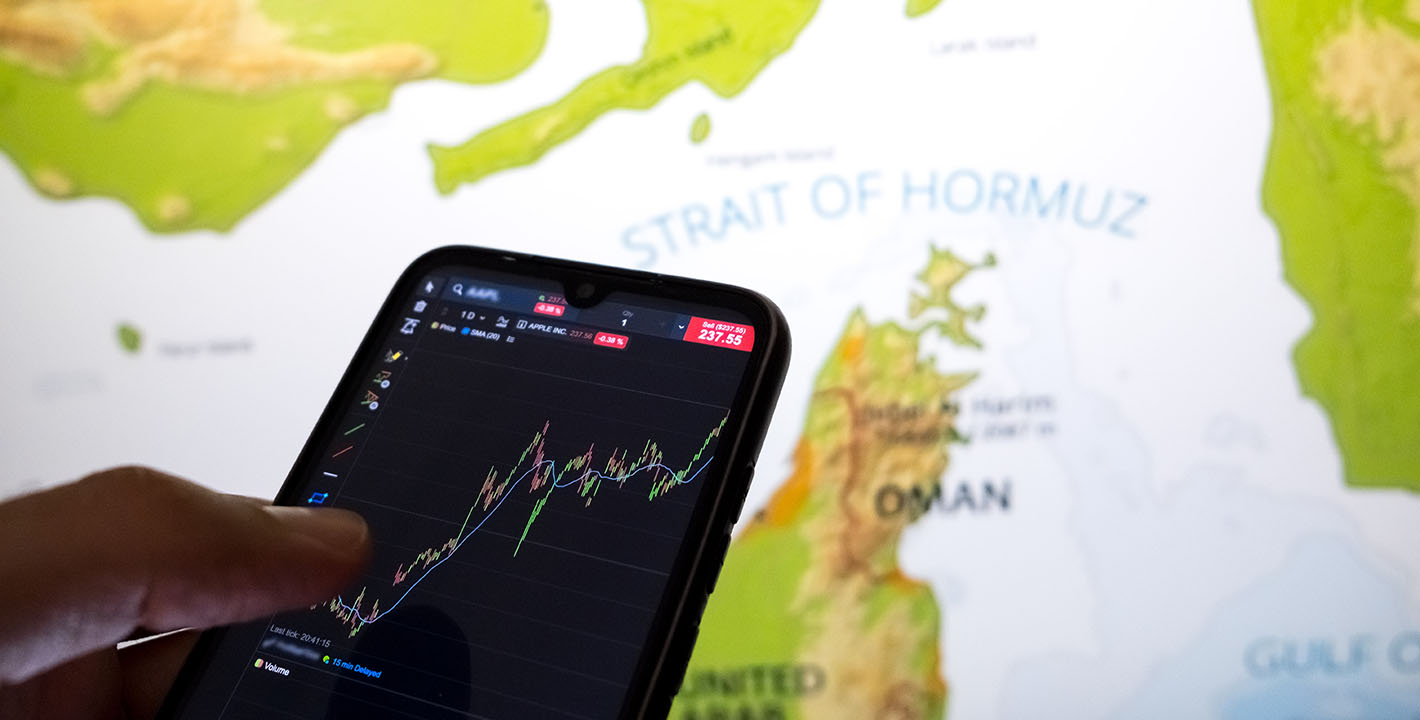
In an interview, Roger Diwan discusses where the global economy may be going in the third week of the U.S.-Israeli war with Iran.
Invalid video URL
Roger Diwan is vice president at S&P Global Energy and heads a dedicated research team that provides integrated energy advisory to the financial sector. Recently, Diwan sat with Nur Arafeh, who co-leads Carnegie’s Political Economy Program focused on the countries of the Middle East and North Africa. Their discussion addressed the repercussions of Iran’s closure of the Strait of Hormuz, which has raised oil prices and created major concerns about inflationary pressures worldwide as well as fears of a slowdown in the international economy.
Fellow, Malcolm H. Kerr Carnegie Middle East Center
Nur Arafeh is a fellow at the Malcolm H. Kerr Carnegie Middle East Center, where she is co-leading the program on the political economy of the MENA region. Her research focuses on the political economy of reconstruction, private sector development, business-state relations, food insecurity, and peacebuilding strategies.
Recent Work
Nur Arafeh
Maya Chehade, Marie Bassi, Duaa Abuswar, …
Carnegie does not take institutional positions on public policy issues; the views represented herein are those of the author(s) and do not necessarily reflect the views of Carnegie, its staff, or its trustees.
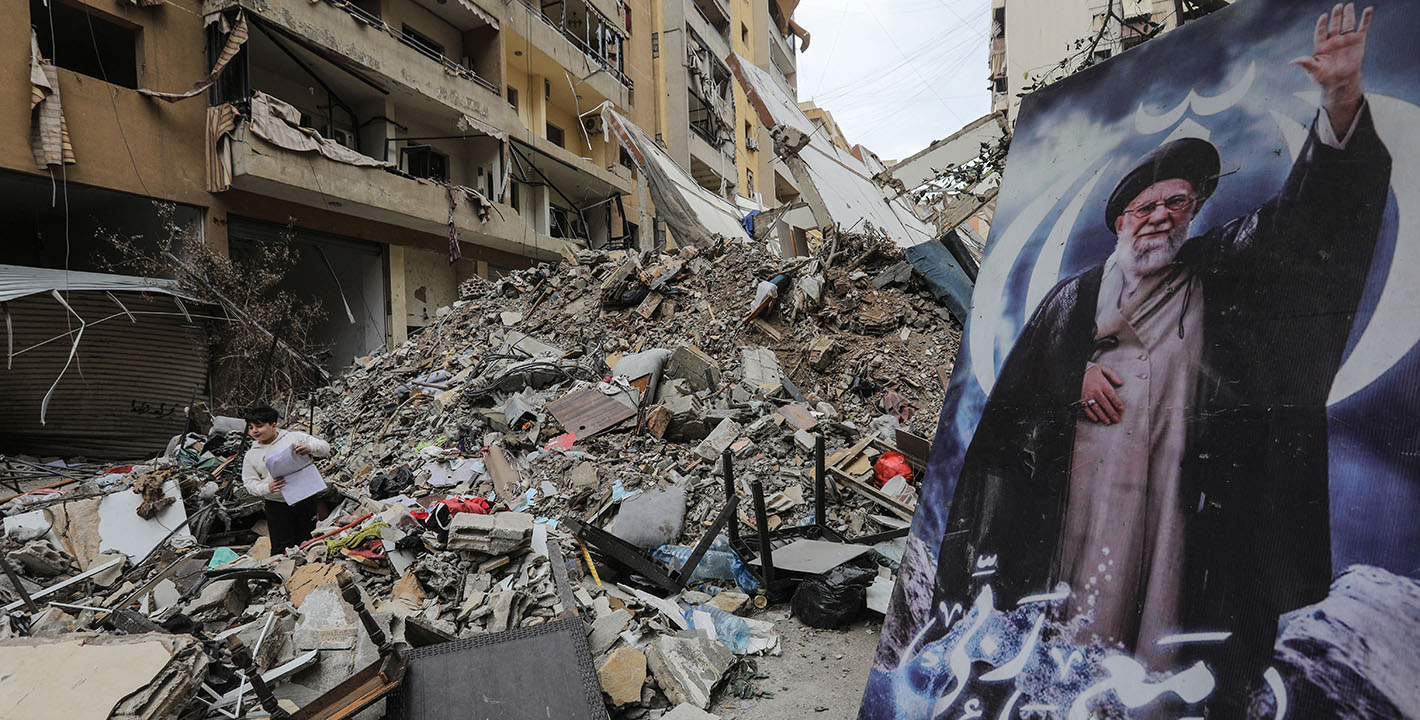
As talks begin between Washington and Tehran, Beirut has an opening to advance a regional plan for the party’s disarmament.

Michael Young
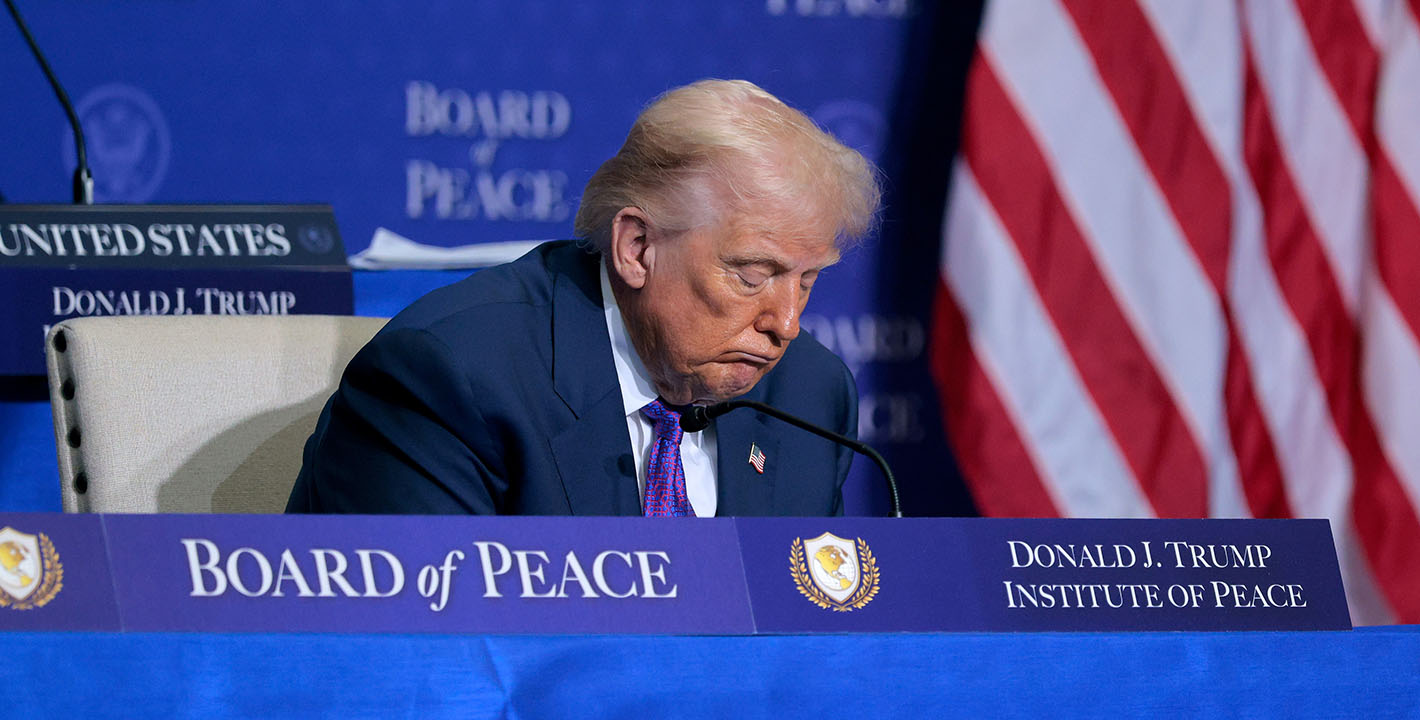
What is behind Marco Rubio’s announcement that the body is now an international nongovernmental organization?
Zaha Hassan
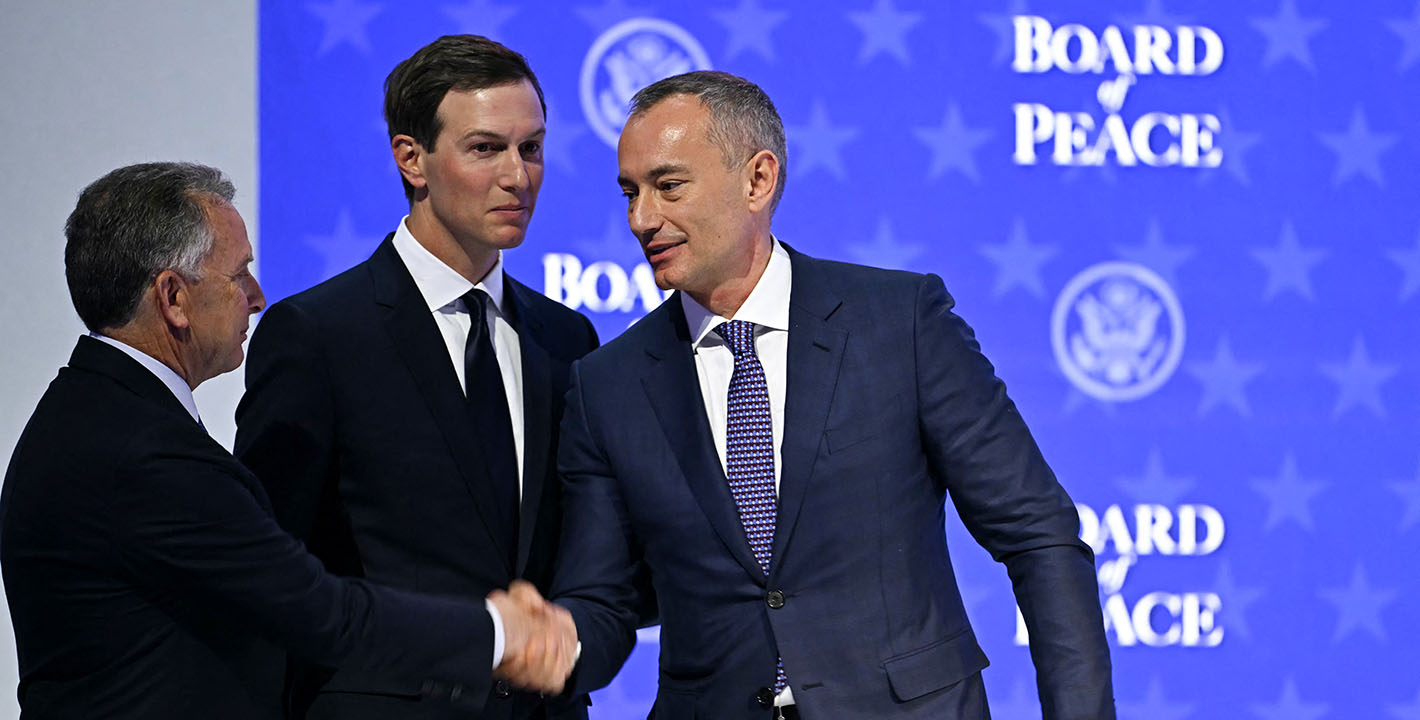
Policy discussion is ignoring that the Palestinian national project is hollowed out and apartheid is a present danger.

Nathan J. Brown
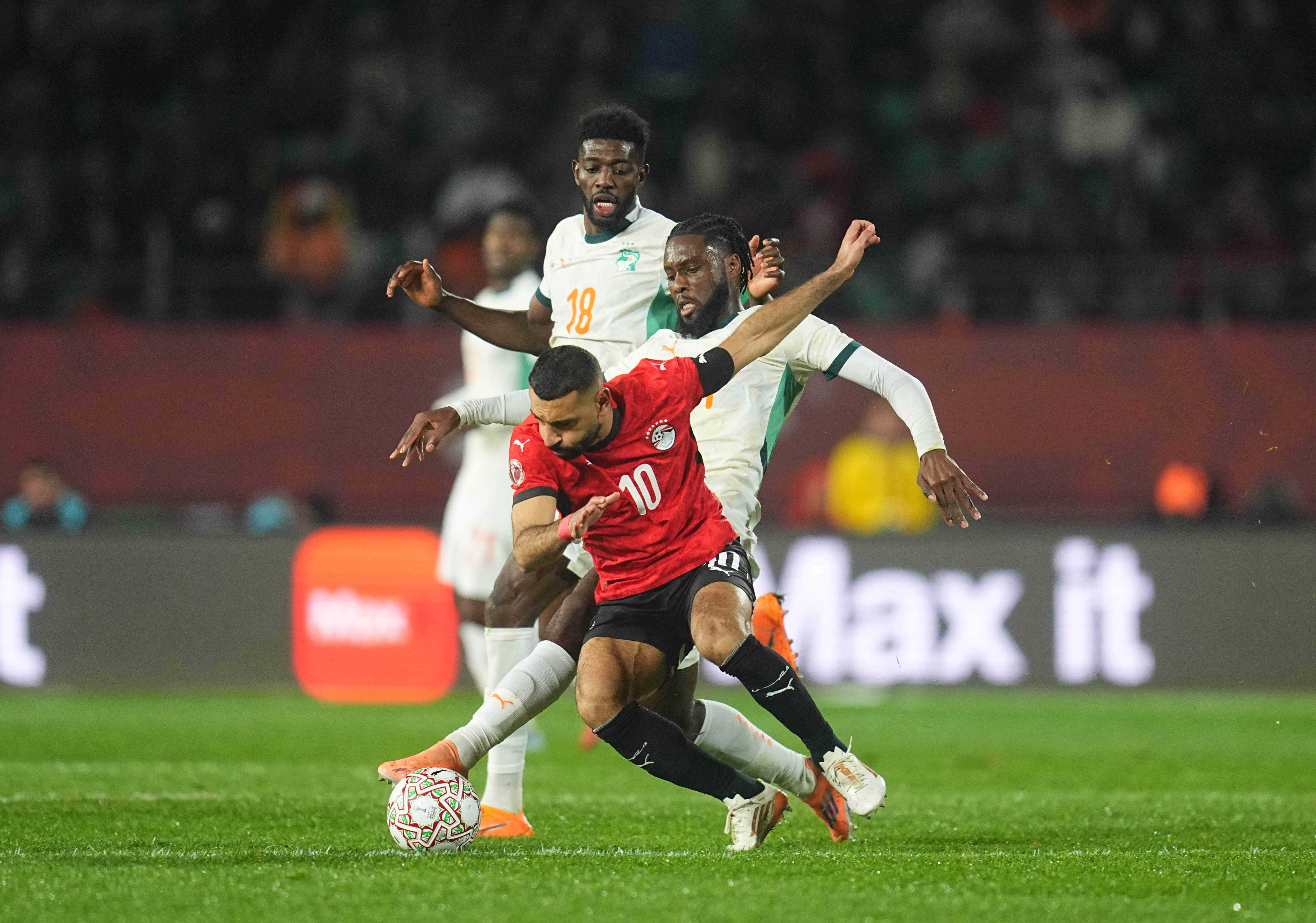
This will be the region’s most representative tournament, amid broad changes in its footballing landscape.

Issam Kayssi
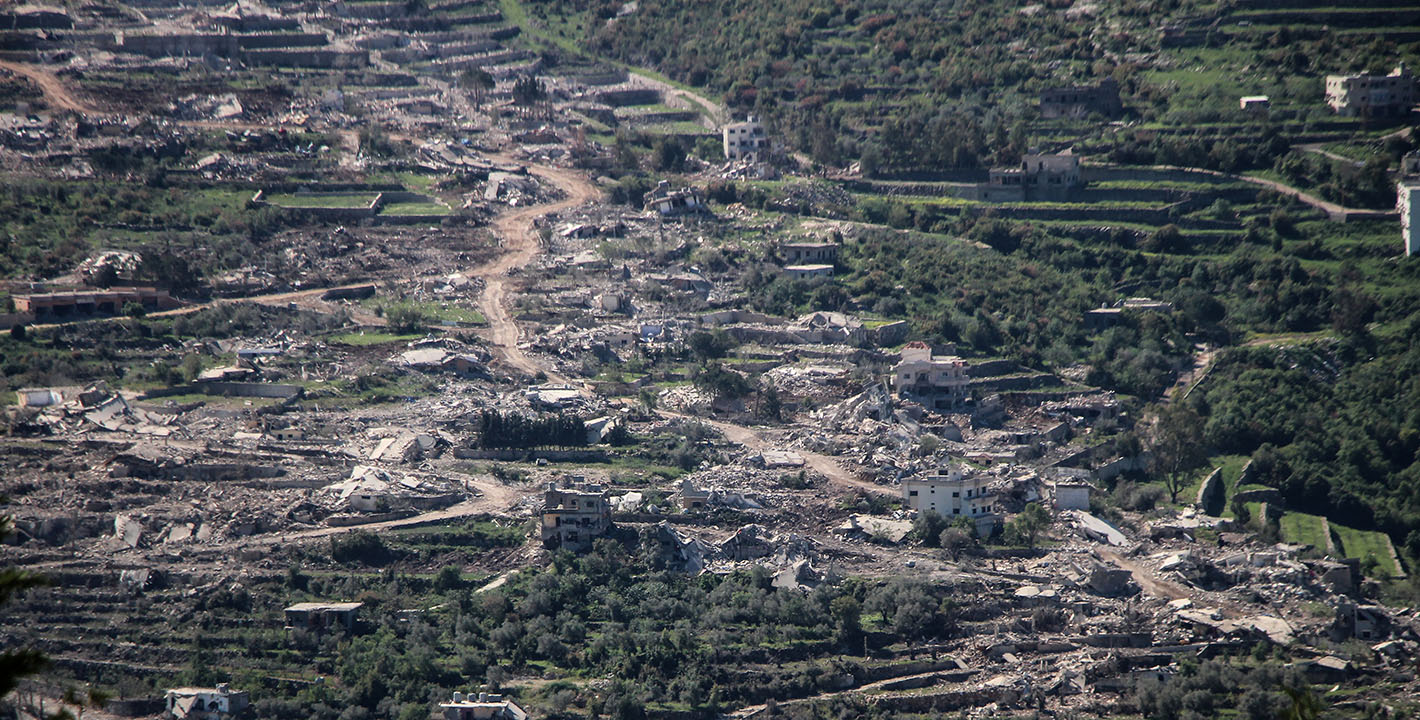
As negotiations with Iran and Lebanon continue, chaos is at the heart of the Netanyahu government’s calculations.
Michael Young